









 HSH Luxury Real Estate
 25/04/2023
 08:00
08:00

The energy certificate evaluates the energy performance of a property, reflecting energy consumption and carbon dioxide (CO2) emissions. With a rating scale from "A" (maximum efficiency) to "G" (minimum efficiency), this document enables owners and tenants to make informed decisions.
- Increases property value in the market: Achieving a good energy rating can make the property more attractive to buyers or tenants, as it is perceived as efficient and sustainable. This enhances its value and competitiveness in the market.
- Facilitates the identification of improvements to reduce energy costs: The energy certificate provides specific recommendations on optimizing the property's efficiency, allowing owners to make strategic changes to save on long-term energy expenses.
- Ensures transparent information on energy costs: By knowing the energy rating before renting, tenants can anticipate expenses related to energy consumption, helping them make more informed and economical decisions.
- Offers greater thermal comfort: A property with a good energy rating typically has better insulation and efficient systems, ensuring a pleasant indoor temperature year-round with reduced environmental impact.
This approach also aims to reduce the carbon footprint in a key sector for the economy, such as tourism.
The vacation rental sector in Spain represents a significant part of the real estate market, with nearly 295,000 properties in this category. The new obligations bring several significant changes:
- Owners must display the energy rating in all advertisements, whether on digital platforms, real estate agencies, or brochures.
- Lack of this certificate is considered a punishable offense, even if the property is rented for short periods only.
- Vacation rental websites such as Airbnb and Rentalia are also required to demand the energy certificate for all advertised properties.
- The regulation takes effect without a transition period, affecting thousands of owners who do not yet have the certificate.
Non-compliance with the regulation can lead to fines, classified into three levels:
- Failing to mention the energy rating in an advertisement: Owners are required to include the energy rating in any rental or sale advertisement. Its omission may be considered a lack of transparency towards potential tenants or buyers.
- Not displaying the label when mandatory: The energy label must be visible in contracts or documents related to the property. Failing to do so may prevent interested parties from knowing the property's energy performance.
- Not registering the certificate with the competent authority: The energy certificate is only valid if properly registered with the authorized body of the autonomous community. Failing to do so constitutes formal non-compliance with the regulation.
- Displaying an invalid energy label: Using an expired or non-corresponding label may mislead consumers and undermines the credibility of the certification system.
- Falsifying certificate information: Manipulating certificate data to achieve a better rating constitutes fraud, affecting both the real estate market and trust in sustainability measures.
- Advertising a rating without official support: Advertising an energy efficiency level without a valid certificate creates misinformation and may harm those interested in the property.
Additionally, in cases where the benefit obtained from the infraction exceeds the fine, a penalty equivalent to the benefit will be imposed.
Although most properties must have the energy certificate accreditation, there are some exceptions, such as:
These properties are exempt due to the challenges of making modifications that could alter their original structure or design. Their preservation as cultural heritage takes precedence over energy efficiency requirements.
Temporary buildings, such as construction site facilities or short-term structures, are not required to have the certificate, as their long-term energy impact is minimal.
Small properties, such as studios or isolated cabins, are excluded from the regulation because their energy consumption is limited and has a smaller impact in the global context.
Agricultural or industrial non-residential buildings. These structures, primarily used for productive purposes, are designed for specific needs that do not always align with the standards of typical residential housing, and are therefore considered outside the residential scope.
This provides some flexibility for owners of particular or specially purposed properties.
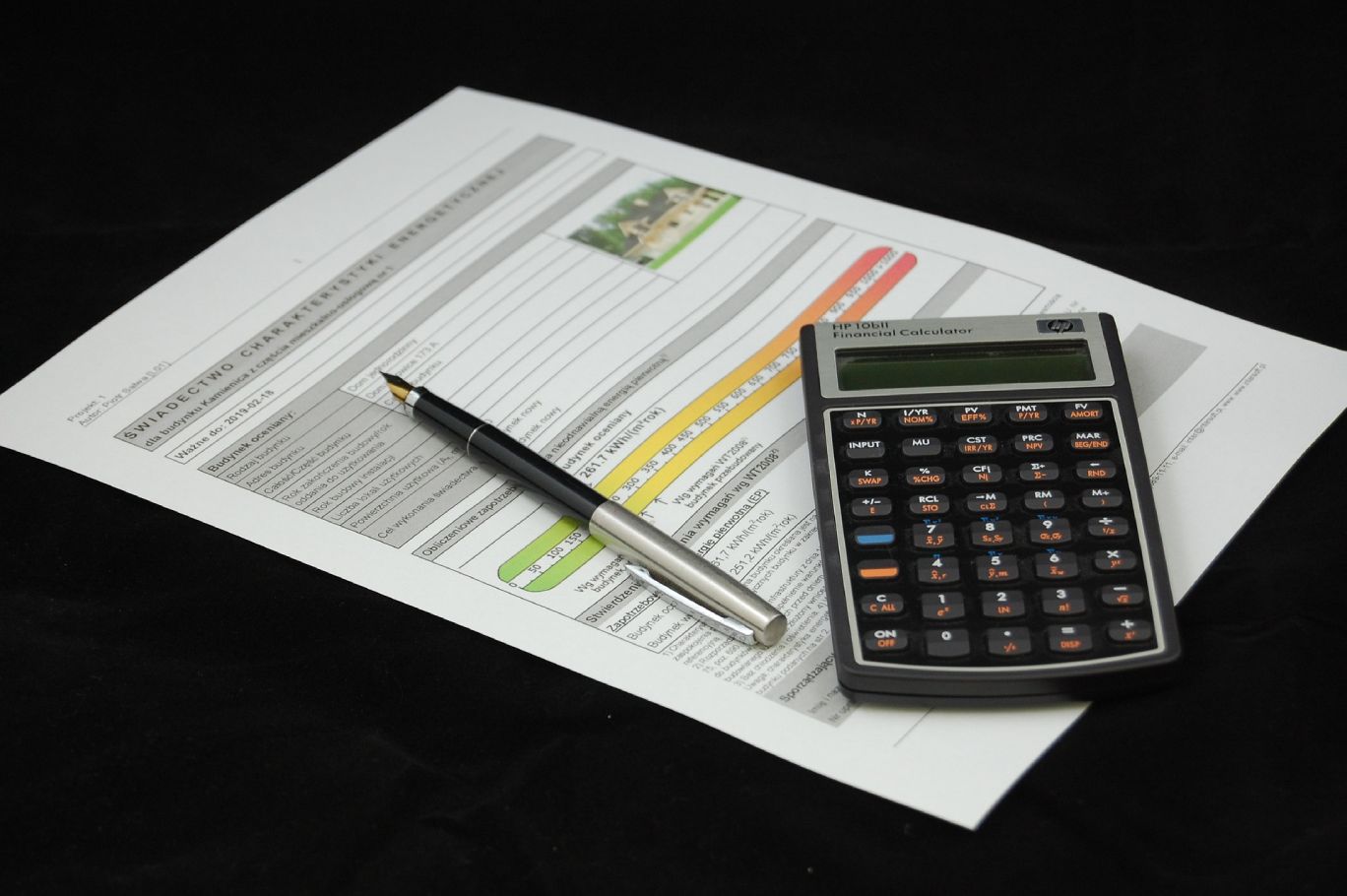
The process to obtain the Energy Performance Certificate (EPC) is straightforward, but it requires following certain steps:
It is essential to seek the assistance of qualified professionals to issue the energy certificate. These technicians, including architects, engineers, and technical architects, are responsible for evaluating the property's energy conditions and ensuring compliance with the regulatory requirements. Ensuring that the technician is certified guarantees a valid and legally compliant report.
During the inspection, the technician conducts a detailed analysis of various factors that affect the property's energy efficiency. This includes reviewing heating and cooling systems, wall, roof, and floor insulation, and assessing windows and doors. Additionally, the property's overall energy consumption is analyzed to identify areas for improvement that can enhance energy performance.
Once the energy certificate is issued, it must be registered with the relevant authority in the corresponding autonomous community. This registration is crucial for the certificate to have legal validity and be used in rental or sale advertisements. The registration also allows authorities to verify and monitor compliance with energy regulations.
The costs of the energy certificate vary depending on factors such as the property's location, size, and the complexity of the inspection. For example, for an apartment of around 90 m², the price typically ranges between 100 and 150 euros plus VAT. It is important to compare prices among certified technicians to find the best option based on your needs and budget.
The mandatory EPC can influence both supply and demand:
- The initial costs of obtaining the certificate may pose a challenge, particularly for small landlords.
- In the long term, it could be an opportunity to improve energy efficiency and save on household expenses.
- Properties with better energy ratings may become more attractive in the market, drawing interest from tenants or buyers.
- Compliance with the regulations can reduce legal risks and ensure that properties remain competitive in a regulated market.
- Implementing the improvements suggested in the EPC may involve a significant initial investment but will increase property value and lower maintenance costs.
- Properties with higher energy ratings may come with higher rental prices but offer lower utility bills as a trade-off.
- Access to energy-efficient homes can enhance the quality of life, providing greater comfort and stability in energy costs.
- Transparency in energy ratings allows tenants to make more informed decisions, choosing properties that are sustainable and economical in the long term.
- Homes with low energy efficiency may see reduced demand, pressuring the market to improve the quality of available real estate stock.
The mandatory Energy Certificate for vacation rental properties has sparked divided opinions among experts. Some view the measure as overly strict and disproportionately affecting property owners, especially in an economy still recovering from the pandemic. Others argue that the regulation is a necessary step toward sustainability, closing legal loopholes that previously allowed unjustified exemptions in a sector with a high energy impact.
For instance, Almudena Ucha, director of Rentalia (Idealista's vacation rental platform), explains that "the requirement for vacation rental homes to have an Energy Certificate is a setback for the sector, which for the second consecutive year faces a highly restricted and Covid-19-conditioned peak season. Especially because such an impactful measure should include a reasonable timeframe for the market to adapt to this new requirement, something that has not been considered."
Conversely, as Juan López-Asiain, head of the technical office at the General Council of Technical Architecture (CGATE), recalls, "unlike the 2013 regulations, which excluded the obligation to have an energy certificate for parts of existing residential buildings used for less than four months a year, the new basic procedure for energy efficiency certification does not exclude properties with this usage limit, including second homes and vacation rentals."
If you own a tourist property, here are some tips to comply with the regulations:
Processing it early will allow you to comply with the regulations and avoid fines. Moreover, having the certificate in order ensures that your property is fit for the tourist rental market, giving you a competitive edge over other owners and enabling you to plan potential improvements calmly.
Specialized professionals provide detailed analyses that ensure accurate results aligned with the regulations. Their expertise will also help you identify key improvements to reduce energy consumption and make your property more appealing to tenants and future buyers.
Replacing windows, optimizing insulation, or upgrading heating systems are investments that enhance your property's energy efficiency. These actions will not only increase its value and appeal in the market but also contribute to reducing your bills and improving the sustainability of the property.
The energy certificate is now a mandatory requirement for vacation rentals in Spain, including Menorca. While its implementation may seem challenging, it also represents an opportunity to modernize the real estate market and promote sustainability. Property owners must act swiftly to avoid penalties and ensure their homes comply with this regulation, benefiting both themselves and their tenants.